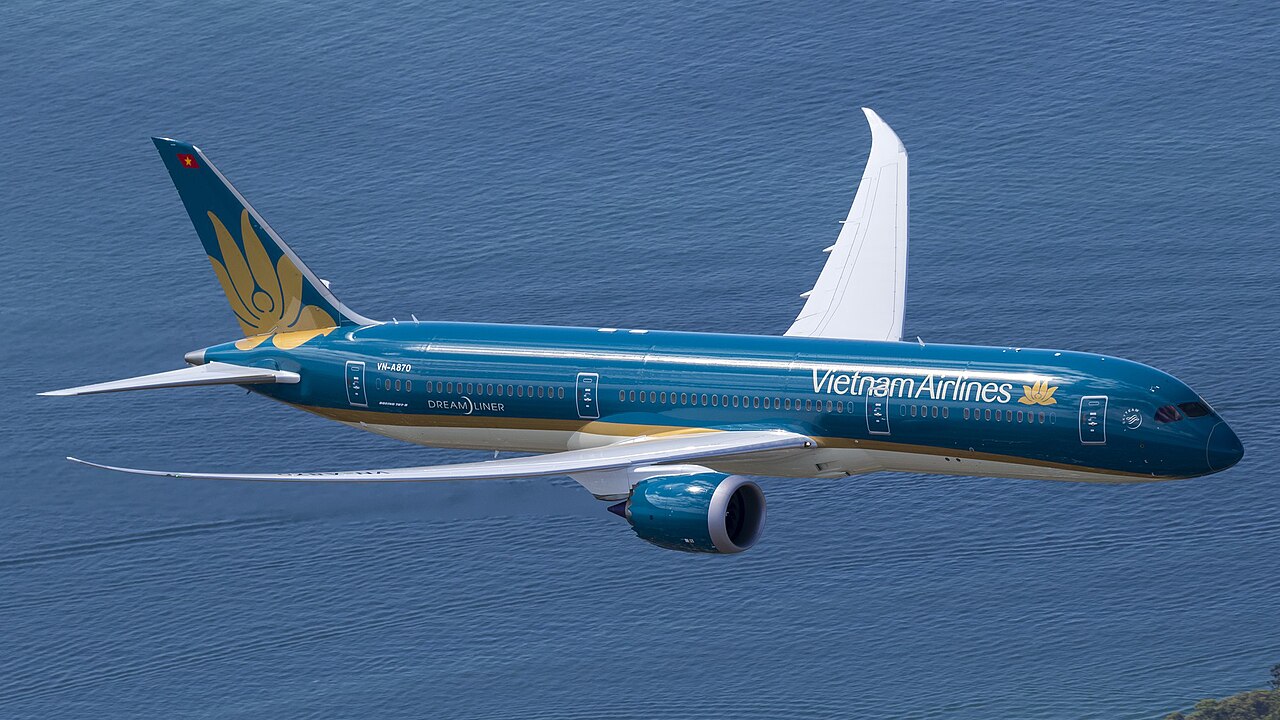
Unpacking Vietnam Airlines A321 Seating: Maps, Details & Traveler Insights
Planning a flight with Vietnam Airlines on their Airbus A321 can bring a mix of anticipation and practical questions, especially concerning the seating experience. Whether you're chasing extra legroom, strategizing for a quiet journey, or simply aiming for maximum comfort on your next trip, understanding the A321's configuration is key. This comprehensive guide delves into the specifics of Vietnam Airlines A321 seating, providing detailed insights into seat maps, cabin layouts, and what travelers typically say, helping you make an informed choice. While passengers often research specific individual concerns, it's worth noting that a widespread or publicly documented "Minh Nguyen Airline Seat Issue" specifically pertaining to Vietnam Airlines A321 seating has not been identified in general reviews or complaint forums. Our focus here will be on general passenger experiences and how to optimize your journey.
Understanding the Vietnam Airlines A321 Configuration
Vietnam Airlines operates several configurations of the Airbus A321, with Config.2 being a common sight on many regional routes. This aircraft is a workhorse for short to medium-haul flights, balancing efficiency with passenger capacity. Typically, the A321 Config.2 is configured with both Business Class and Economy Class sections, each designed to offer a distinct travel experience.
*
Business Class: Positioned at the front of the aircraft, the Business Class cabin on the A321 Config.2 usually features a 2-2 layout. These seats are notably wider and offer significantly more pitch (the distance from one point on a seat to the same point on the seat in front of it) compared to Economy. Expect comfortable recline, often with footrests, and enhanced service. While not a long-haul flatbed, these seats provide a premium experience for shorter flights, ideal for business travelers or those seeking extra comfort.
*
Economy Class: The bulk of the aircraft is dedicated to Economy Class, typically arranged in a 3-3 configuration. Seat pitch here is standard for an Airbus A321, generally ranging from 30 to 32 inches, and seat width is usually around 17-18 inches. While these dimensions are typical across many airlines, individual comfort can vary based on personal build and flight duration. All seats come with a standard recline mechanism, and most modern A321s are equipped with personal entertainment screens, though this can vary by specific aircraft and refurbishment cycles.
Tip: Always check the exact seat map for your specific flight number on the Vietnam Airlines website or a reputable seat mapping service. Configurations can change, and knowing the precise layout can save you from surprises.
Navigating the A321 Seat Map: Best & Worst Seats
Choosing the "best" seat is subjective and depends entirely on your priorities. Here's a breakdown to help you decide when viewing the A321 seat map:
*
Exit Row Seats: These are often highly sought after due to the considerably increased legroom. Located at emergency exits, they come with restrictions (passengers must be able-bodied and willing to assist in an emergency) and are often reserved for a fee. If legroom is your top priority and you meet the criteria, these are excellent choices.
*
Bulkhead Seats: Situated at the very front of a cabin section (e.g., Row 1 in Economy, or seats directly behind Business Class), bulkhead seats also offer extra legroom as there's no seat in front to restrict your space. However, they may have immovable armrests (housing tray tables), and some passengers dislike the proximity to galleys or lavatories, which can be noisy. Bassinets are often available at these rows for families traveling with infants.
*
Window Seats: Ideal for those who enjoy gazing out the window, leaning against the fuselage to sleep, or prefer not to be disturbed by aisle traffic. The downside is needing to ask fellow passengers to move when you need to access the aisle or lavatory.
*
Aisle Seats: Perfect for passengers who value easy access to the lavatory, prefer to stretch their legs, or need to exit the aircraft quickly upon landing. The drawback is potential bumps from passing trolleys or passengers.
*
Middle Seats: Generally considered the least desirable, offering neither the view nor the easy access. Avoid if possible, unless traveling with companions and specifically requesting to sit together.
*
Seats Near Lavatories/Galleys: While providing quick access, these areas can be prone to noise, light disturbances, and increased foot traffic, especially on longer flights. If you're sensitive to these factors, it's best to choose seats further away.
*
Rear Seats: Seats at the very back of the aircraft can sometimes be perceived as bumpier, but they are often among the last to be chosen, potentially offering a chance for an empty adjacent seat on lighter flights. They also provide quick exit upon arrival if disembarking from the rear.
Practical Advice: Utilize online seat maps like those found on SeatMaestro to visualize the layout. These often provide color-coded indications for preferred seats, those with restricted recline, or proximity to amenities. Pre-selecting your seat online, even if it incurs a fee, can significantly enhance your travel experience.
Traveler Reviews & Common Seating Feedback
General traveler reviews for Vietnam Airlines A321 seating paint a varied picture, reflective of individual expectations and experiences. Many passengers find the A321's Economy Class seating to be standard for regional flights – functional, but not overly spacious. Business Class, however, consistently receives positive remarks for comfort and service quality.
Common themes in reviews include:
*
Legroom: Often a point of contention in Economy. While standard, taller passengers frequently report discomfort. Exit row and bulkhead seats are highly recommended for those prioritizing space.
*
Seat Comfort: The cushioning and ergonomics are generally described as adequate for short to medium-haul flights. For longer segments, passengers advise bringing personal comfort items like neck pillows or extra cushions.
*
In-Flight Entertainment (IFE): Availability and quality of IFE systems can vary. Newer or recently refurbished A321s are more likely to have personal screens with on-demand content, while older aircraft might offer overhead screens or no entertainment at all. It's wise to come prepared with your own loaded devices.
*
Service: While not directly seating-related, the overall service experience can significantly impact a passenger's perception of their flight. Many reviews praise Vietnam Airlines' cabin crew for their professionalism and attentiveness. However, like any airline, there are occasional reports of service inconsistencies.
Regarding customer service and potential issues, general complaints about Vietnam Airlines, as seen on various consumer boards, tend to revolve around flight delays, luggage handling, or changes in flight schedules. It's important to note that these are common challenges faced by many airlines globally. In stark contrast, positive experiences, such as those highlighted in Alex Nguyen's review of STARLUX Airlines, often emphasize exceptional service, modern amenities, and a seamless travel experience. For a deeper dive into these comparisons, you might find our article
Customer Service: Vietnam Airlines Complaints vs STARLUX insightful.
While specific individual incidents can always arise during travel, it's reassuring for most passengers to know that no widely reported or specific "Minh Nguyen Airline Seat Issue" regarding systematic problems with Vietnam Airlines A321 seating has surfaced in public reviews or complaint databases. Most feedback centers on the typical variations in passenger preferences and standard airline operations. If you're researching potential individual concerns, it's worth checking our related article:
Minh Nguyen Issue: No Specifics Found in Reviews.
Maximizing Your Comfort: Tips for Flying Vietnam Airlines A321
Even with standard seating, there are strategies you can employ to make your Vietnam Airlines A321 flight more comfortable:
1.
Book Early & Choose Wisely: If your budget allows, consider upgrading to Business Class for significantly more space and comfort. If sticking to Economy, book your flight well in advance to have the best selection of seats, allowing you to choose preferred window, aisle, or exit row seats.
2.
Check-in Online: Even if you've already selected a seat, checking in online can sometimes reveal last-minute availability of better seats (e.g., if a flight isn't full and premium seats are released).
3.
Bring Your Own Comfort Kit: A neck pillow, eye mask, earplugs/noise-canceling headphones, and a light blanket or shawl can drastically improve comfort, especially if you plan to sleep.
4.
Stay Hydrated & Move: Dehydration can exacerbate discomfort. Drink plenty of water and, if possible, get up to stretch and walk around the cabin periodically to promote circulation.
5.
Dress Comfortably: Loose-fitting clothing made of breathable fabrics will make a significant difference, especially on longer flights.
6.
Pack Smart for Under-Seat Storage: Keep essential items (like chargers, snacks, entertainment) in a small bag that fits easily under the seat in front of you, avoiding the need to access the overhead bin during the flight.
Conclusion
The Vietnam Airlines A321, in its Config.2 layout, offers a reliable and generally comfortable experience for regional travel, with a distinct difference between its Business and Economy Class offerings. By proactively studying seat maps, understanding the pros and cons of different seat types, and taking heed of common traveler feedback, you can significantly enhance your journey. While specific, named seat issues like a "Minh Nguyen Airline Seat Issue" are not widely reported, general concerns about legroom and comfort are common, underscoring the importance of personalized preparation. With a little planning and awareness, your flight on the Vietnam Airlines A321 can be a smooth and pleasant part of your travel adventure.